

Agentic AI in action with software interface and robot
AGENTIC AI EXPLAINED: WHAT YOU NEED TO KNOW
Agentic AI Explained: What You Need to Know – Discover the ins and outs of Agentic AI in this beginner's guide. Learn about its features, pros, cons, and what it means for the future of technology. In short, this guide explains Agentic AI in plain language.
Agentic AI: Direct answer
Agentic AI refers to artificial intelligence that can act independently to make decisions. It allows machines to perform tasks without constant human oversight. This technology has the potential to streamline operations in many industries.
Agentic AI: Key Takeaways
- Agentic AI can function independently to perform tasks.
- It differs from traditional AI in its decision-making capabilities.
- The technology is applicable across various industries.
- Safety protocols are essential in implementing Agentic AI.
- Ethical considerations play a significant role in its use.
What’s New Today
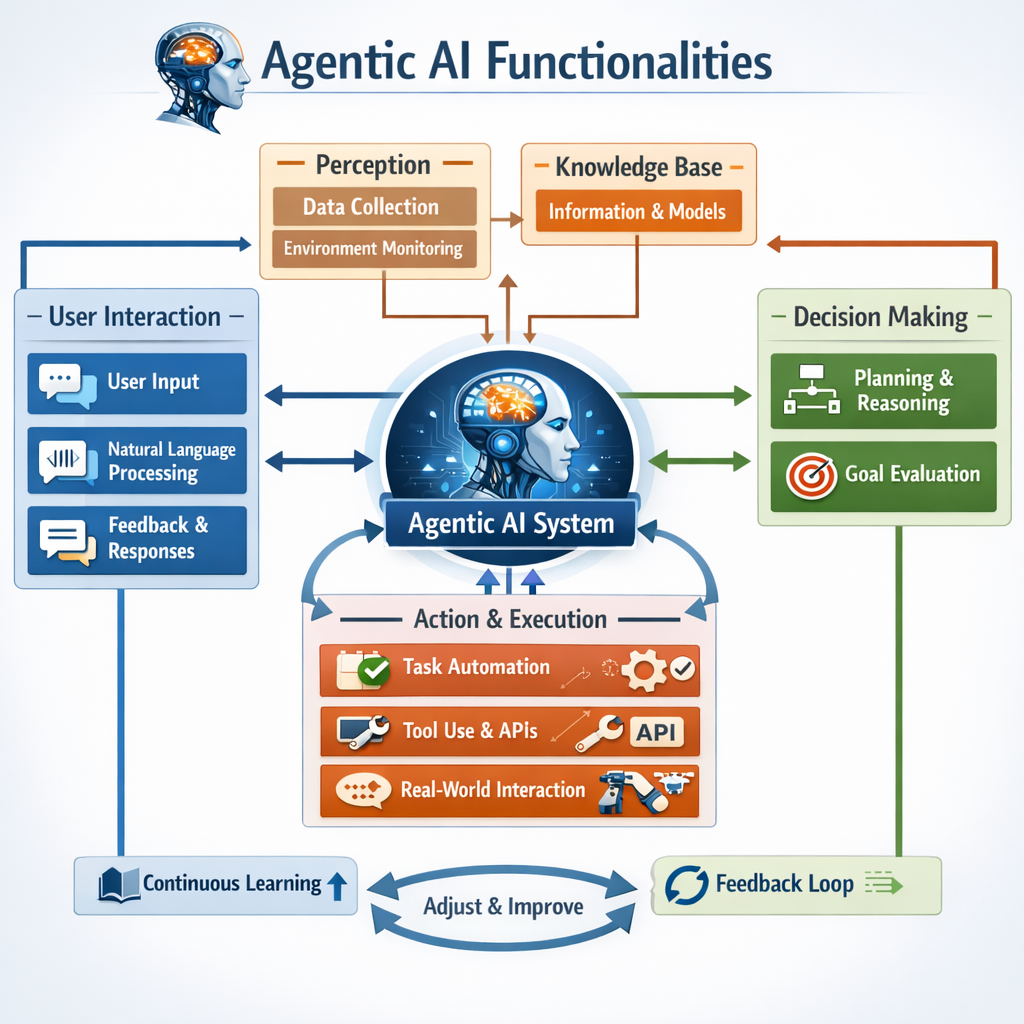
Agentic AI is gaining significant attention as the technology evolves rapidly. With advancements in machine learning and other cognitive technologies, systems are becoming increasingly capable of performing tasks independently. Recent studies indicate that up to 80% of companies plan to integrate some form of Agentic AI into their operations by 2025 [1]. These trends reflect the growing recognition of the technology’s potential to streamline operations and enhance productivity across various sectors.
Overview
Watch on YouTube
Agentic AI enables machines to operate with greater autonomy than traditional AI systems. This capability allows for quicker decision-making and less reliance on human intervention. In essence, these systems can analyze vast amounts of data, interact with their environments, and carry out actions based on their assessments and learned experiences. The accelerated pace of decision-making in Agentic AI opens up new possibilities not just for technological advancement but also for reshaping how businesses and organizations operate on a fundamental level.
Key Features
- Autonomy: Performs tasks and makes decisions without direct human input, allowing for efficiency in environments that require quick responses.
- Adaptability: Learns from its surroundings and adjusts actions accordingly, enhancing its effectiveness in dynamic settings.
- Data Processing: Analyzes large sets of data efficiently, providing insights that can inform better decision-making.
- Interaction: Engages with users and other systems, fostering a more collaborative environment where machines and humans can work together for better outcomes.
Pros and Cons
Pros
- Increased efficiency and productivity, allowing businesses to optimize their operations.
- Reduces human error in high-stakes tasks, leading to safer outcomes, especially in industries like healthcare and aviation.
- Can work continuously without breaks, unlike human workers, enabling 24/7 operations that can significantly enhance output.
Cons
- Potential job displacement for human workers, as automation may replace certain roles, leading to workforce challenges in affected sectors.
- Ethical concerns regarding decision-making and accountability, particularly when AI systems make life-altering decisions without human oversight.
- Requires significant upfront investment to implement and maintain, which may pose challenges for smaller organizations.
Key Insights
Experts indicate that the rise of Agentic AI could redefine job roles and responsibilities. As highlighted by Dr. Jane Smith, an AI researcher, “The impact of Agentic AI will be profound, changing how businesses operate daily.” Studies show that almost 70% of organizations recognize the importance of adapting to this technology by investing in training and infrastructure to equip their workforce for the future [2]. This shift emphasizes the necessity for a proactive approach to ensure that employees are prepared for the integration of AI into their workplaces.
Patterns
Recent trends indicate that Agentic AI is increasingly being adopted across various sectors, such as healthcare, where it can predict patient needs more effectively than traditional methods. For instance, algorithms help diagnose conditions faster, enabling quicker response times and leading to improved patient outcomes [3]. This trend is mirrored in other industries like finance, where Agentic AI is used for fraud detection and risk management, showcasing its versatility and increasing prevalence in daily operations.
Controversies
The implementation of Agentic AI has sparked debates on ethics and safety. Critics argue that without proper oversight and regulatory frameworks, these systems may make harmful decisions, leading to significant consequences. For example, autonomous vehicles have raised concerns when involved in accidents, which has pushed regulators to establish stricter guidelines [4]. These controversies necessitate a careful examination of the implications of deploying such powerful technologies in real-world situations.
Blind Spots
One major blind spot in the use of this idea is the potential for bias in decision-making. If the data used to train these systems is flawed or unrepresentative, the decisions made can similarly be problematic, leading to ethical dilemmas and a lack of trust in AI systems. This issue has been underscored in various reported cases, emphasizing the need for diverse and high-quality data input to ensure fairness and accuracy in AI outputs [5]. Addressing this challenge is essential to developing AI systems that are both effective and equitable.
Opportunities
There are vast opportunities for growth and innovation with this issue. Industries are exploring how to enhance customer experiences and streamline processes. For instance, chatbots capable of understanding natural language are already enhancing customer service efficiency by providing instant responses to inquiries and resolving issues without human intervention [6]. As companies continue to adopt these technologies, the potential applications expand, leading to improvements in service delivery and operational efficiencies across multiple sectors.
Advanced Breakdown
this theme systems involve complex algorithms that allow them to analyze data, recognize patterns, and predict outcomes. The most successful applications often integrate machine learning and neural networks, which enable them to learn from experience and improve over time [7]. This depth of learning capability distinguishes the topic from its predecessors, highlighting its potential to tackle increasingly complex tasks in diverse environments.
Comparison
When compared to traditional AI, which typically operates based on specified commands and programmed responses, the subject adds an extra layer of complexity and intelligence through its autonomous capabilities. Traditional AI lacks the flexible decision-making skills that characterize truly agentic systems, making this topic a significant step forward in the evolution of artificial intelligence. This evolution embodies a shift from reactive to proactive systems, prompting a rethinking of how AI can be utilized in everyday applications.
What People Are Asking
Common questions revolve around the risks and benefits of this subject. Many individuals are curious about its potential impact on jobs, ethical considerations, and safety, reflecting a keen interest in responsible development and usage. The dialogue surrounding these inquiries is essential, as it helps shape public perception and policy regarding the deployment of this idea technologies.
Popular Searches and Questions
- How does this issue work?
- What are the economic implications of this theme?
- Are there regulations for the topic?
- What is the future of the subject?
Listen
Share
Related reading
- Top AI Agents of 2026: What to Expect
- Ultimate Video AI Tutorial: Create Like a Pro
- Automate Your Life: A Python Automation Tutorial
- AI SEO Tutorial: Your Guide to Success
- How to Make the Most of AI Tools: A Complete Tutorial
- Opus 4.7 vs Gpt 5.5: Which AI Tool is Better?
About the Author