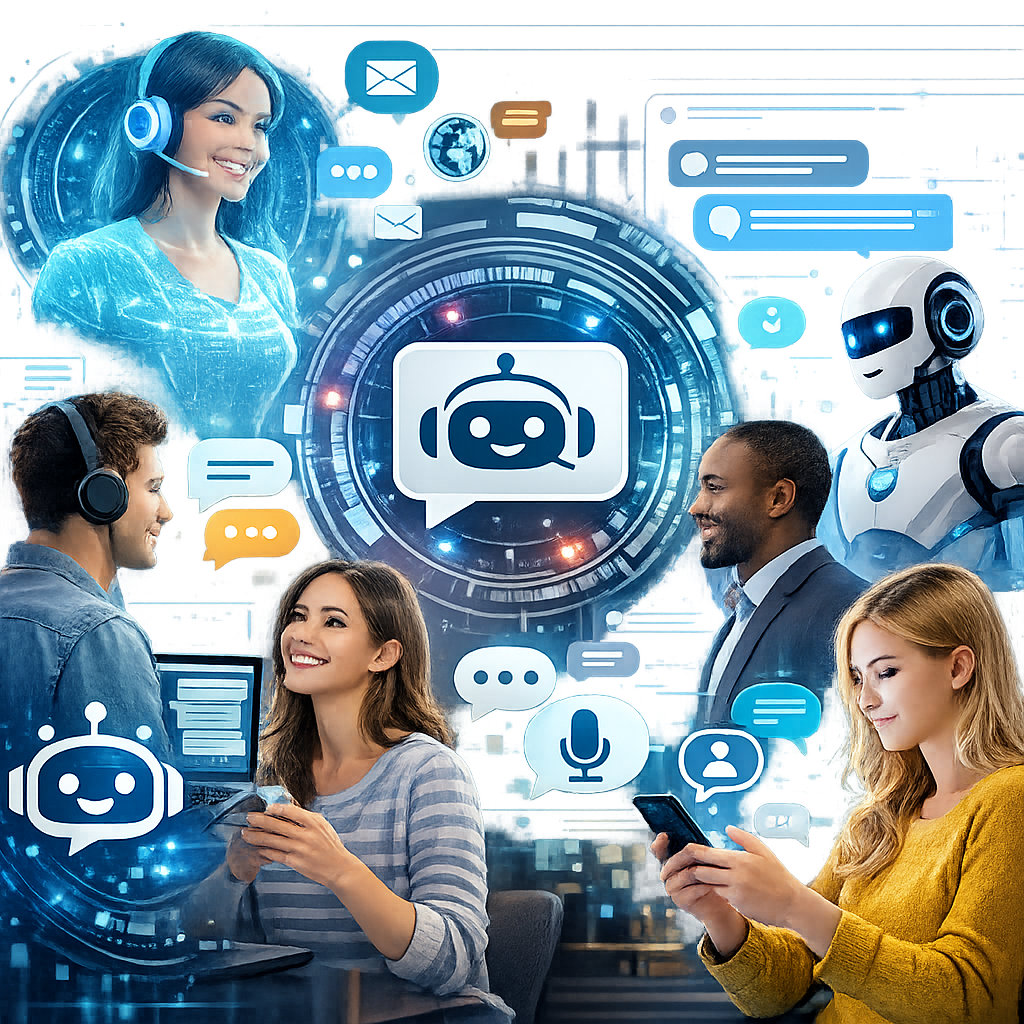
AI agents interacting with humans in technology context.
AI AGENTS VS CHATBOTS: WHAT YOU NEED TO KNOW
AI Agents vs Chatbots: What You Need to Know – Explore the key differences between AI agents and chatbots, their uses, and how they impact businesses. Learn which one fits your needs. In short, this guide explains AI agents vs chatbots in plain language.
AI agents vs chatbots: Direct answer
AI agents are advanced systems that handle complex tasks, while chatbots are simpler systems designed for basic conversations. Both serve different needs in customer service and business operations.
AI agents vs chatbots: Key Takeaways
- AI agents are more versatile than chatbots.
- Chatbots are ideal for simple tasks.
- Understanding the use cases helps in choosing the right tool.
- AI agents can learn and adapt over time.
- Chatbots can improve customer engagement with quick responses.
Overview
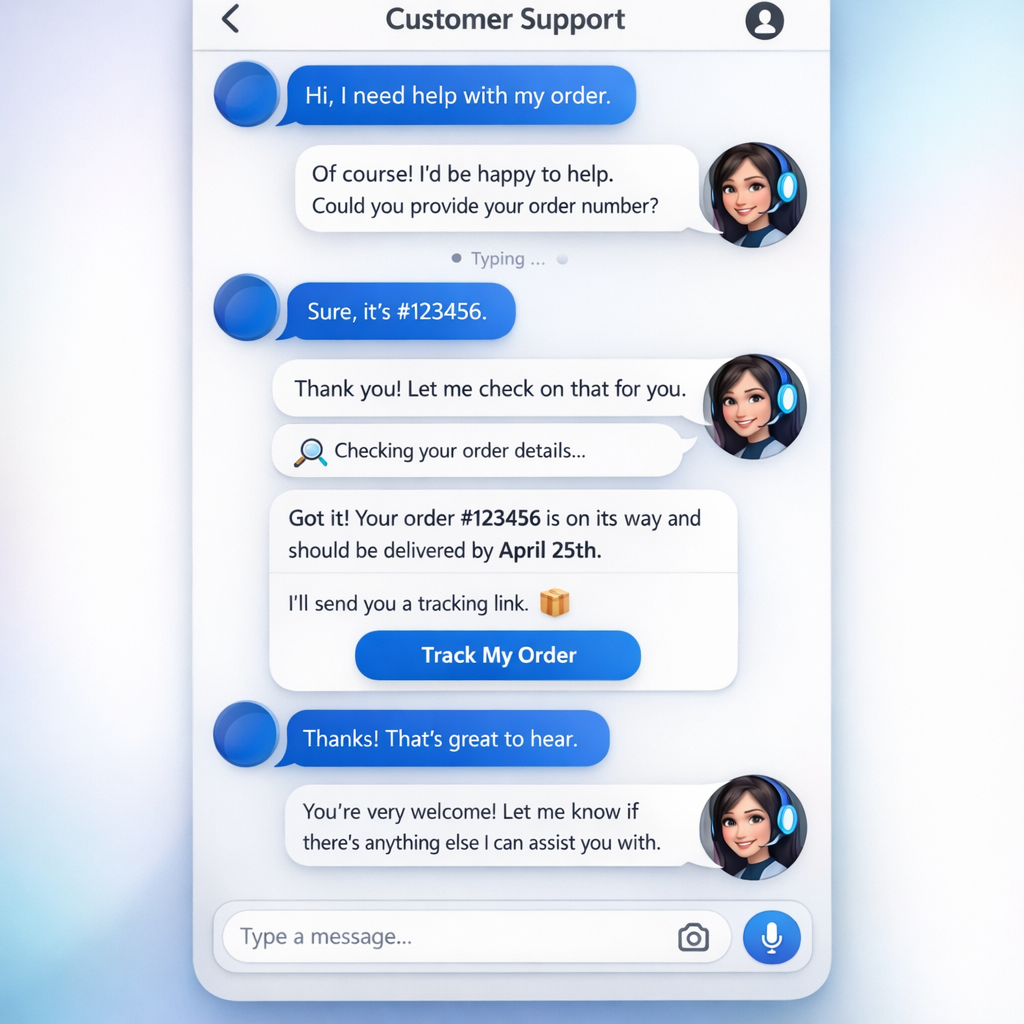
The landscape of customer interaction has evolved significantly with the advancement of technology. In the digital age, two key players dominate this space: AI agents and chatbots. While they may seem similar at first glance due to their use in facilitating communication and automating responses, there are distinct differences between them that can impact their effectiveness in various business scenarios.
What’s New Today
Watch on YouTube
Technology continues to advance rapidly, paving the way for businesses to adopt more innovative solutions. Recent studies show that approximately 80% of businesses are now using some form of automation, much of which involves chatbots and AI agents [1]. These tools are reshaping customer service and operational efficiencies across various industries. AI agents are becoming increasingly sophisticated, capable of handling complex tasks and analyzing user data to offer personalized responses. In contrast, chatbots primarily focus on basic conversational capabilities, often limited to predefined scripts and standard responses.
Key Features
- AI Agents: These advanced systems are capable of learning from user interactions, performing a variety of tasks, and making independent decisions based on prior experiences. They often leverage machine learning algorithms to improve their accuracy over time.
- Chatbots: Typically, chatbots concentrate on scripted interactions and provide standard responses to commonly asked questions. Their primary goal is to assist users quickly, but their reliance on predefined scripts can limit their flexibility.
Pros and Cons
AI Agents
- Pros: Highly adaptable and capable of learning from interactions, AI agents can handle complex queries and provide personalized responses that cater to individual user needs. This adaptability can drive operational efficiencies, reduce workload on human staff, and improve customer satisfaction [2].
- Cons: The implementation of AI agents involves higher costs and resource demands. Organizations must invest in the necessary infrastructure, which may require technical expertise and ongoing maintenance.
Chatbots
- Pros: Chatbots are cost-effective, straightforward to implement, and can provide quick response times for basic inquiries. Their simplicity allows businesses to deploy them rapidly for immediate operational needs.
- Cons: Despite their benefits, chatbots often suffer from limited understanding capabilities. They can be frustrating for users who have complex requests, as their rigid scripts cannot accommodate nuances in language or specific user needs.
Key Insights
According to experts, “AI agents have the capacity to perform tasks that go beyond simple interactions. As a result, they can drive efficiency in operations and improve customer satisfaction” [3]. This indicates that organizations should carefully assess their unique needs and goals when deciding between utilizing AI agents or chatbots. The choice could significantly influence how efficiently they serve customers and manage resources.
Comparison
When comparing AI agents and chatbots, it is essential to recognize that AI agents function more like personal assistants, while chatbots operate as responsive databases. AI agents are equipped to analyze user behavior and preferences to tailor interactions, driving a more personalized experience. In contrast, chatbots typically adhere to a defined script, which limits their ability to adapt to user-specific contexts. This fundamental difference means that while chatbots can quickly answer standard queries, AI agents can engage in deeper, more meaningful interactions [4].
What People Are Asking
Questions frequently arise about the differences between AI agents and chatbots. Users often seek clarity on how AI can impact their business strategies. For instance, many are curious about which solution would be more beneficial for customer support and engagement, especially in industries where personalized service is crucial. This growing curiosity reflects a deeper interest in integrating AI technologies effectively within existing business frameworks.
Popular Searches and Questions
Search trends indicate a growing interest in how AI technologies can improve customer service. People are curious about the specific capabilities of each technology, wondering which would be more suitable for different use cases-from handling FAQs to managing complex service inquiries. Additionally, many want to understand the long-term implications of adopting AI agents versus chatbots on their organizational efficiency and customer satisfaction rates.
Conclusion
In summary, understanding the differences between AI agents and chatbots is crucial for businesses today. Each serves unique functions and presents distinct advantages based on the complexity of customer interaction required. By appropriately selecting the right technology, businesses can significantly enhance their customer interactions, streamline operations, and ultimately drive better business outcomes. The decision should be guided by an assessment of specific use cases, customer needs, and overall organizational goals.
Listen
Share
Related reading
- Agentic AI Explained: What You Need to Know
- Top AI Agents of 2026: What to Expect
- Ultimate Video AI Tutorial: Create Like a Pro
- Automate Your Life: A Python Automation Tutorial
- AI SEO Tutorial: Your Guide to Success
- How to Make the Most of AI Tools: A Complete Tutorial
About the Author