
Humanoid robot demonstrating Physical AI in a kitchen setting
PHYSICAL AI UNCOVERED: INNOVATIONS IN ROBOTICS
Physical AI Uncovered: Innovations in Robotics – Discover how physical AI is shaping the future of robotics. Learn about its key features, benefits, and what sets it apart from traditional AI. In short, this guide explains Physical AI in plain language.
Physical AI: Direct answer
Physical AI refers to artificial intelligence that can interact with and manipulate physical objects. This includes robots that can perform tasks like cooking, assembling, or even helping in surgeries. It uses sensors and advanced programming to function effectively.
Physical AI: Key Takeaways
- Physical AI integrates AI with physical robots.
- It is used in various fields including manufacturing and healthcare.
- Sensors and algorithms are essential for its functionality.
- Physical AI can perform tasks that are repetitive or dangerous.
- Growth in this field points to increased automation in daily life.
What’s New Today
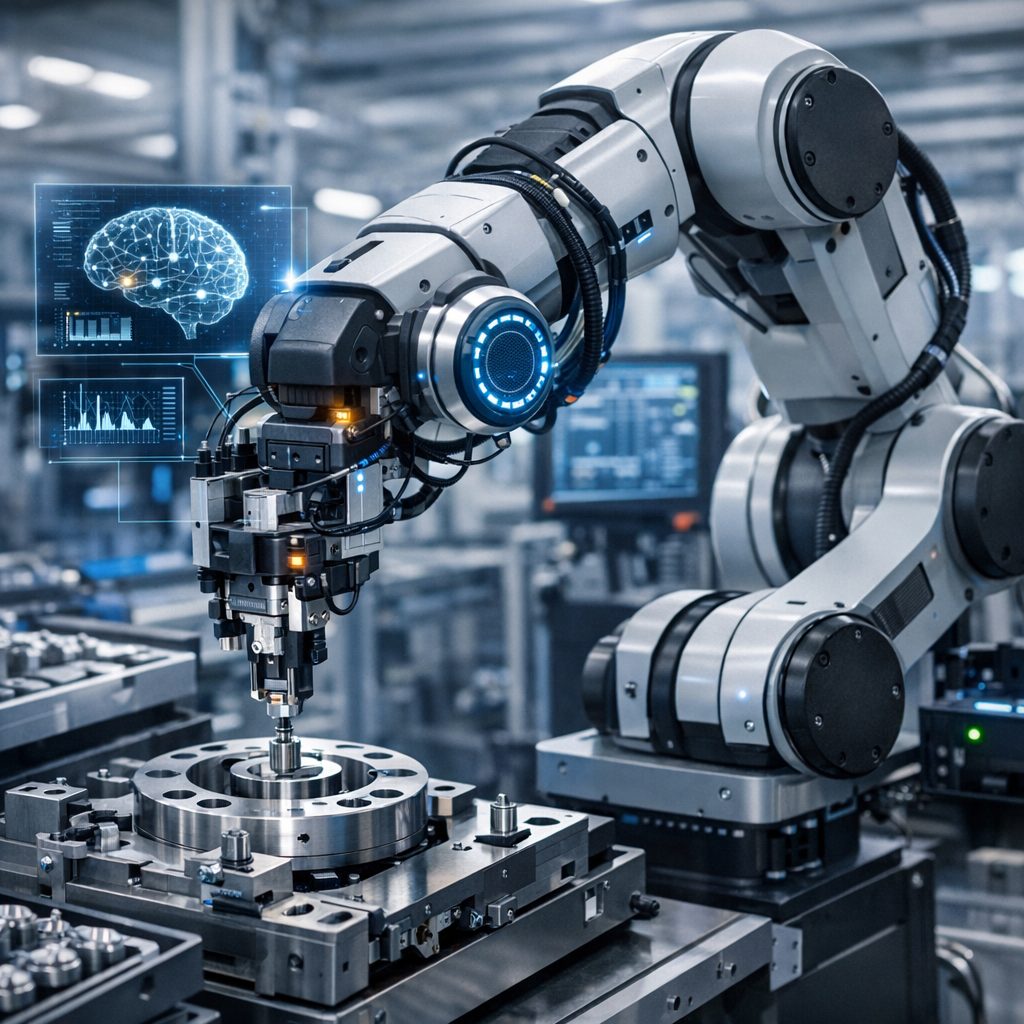
Physical AI is transforming industries by enabling robots to perform complex tasks across various sectors. Recently, a new generation of humanoid robots has been developed, capable of cooking meals and handling household chores. These advancements demonstrate the growing capabilities of Physical AI technology and highlight the innovative strides many companies are taking in automation, particularly in domestic applications [1].
Overview
Watch on YouTube
Physical AI merges artificial intelligence with robotics, creating systems that allow machines to perceive their surroundings and interact with physical objects. This approach contrasts with traditional AI, which primarily focuses on data analysis and decision-making in virtual environments. According to a report from the International Federation of Robotics, the use of industrial robots has increased by 12% annually, clearly highlighting the growth of Physical AI applications in fields ranging from manufacturing to healthcare [2].
Key Features
- Sensors: Advanced sensors play a critical role in gathering data from the environment, allowing robots to understand their surroundings better. These sensors can detect light, sound, temperature, and even motion, contributing to the robot’s ability to act in response to real-world stimuli [3].
- Machine Learning: Robots utilize sophisticated algorithms to learn from their experiences, thereby improving their performance and efficiency over time. This process involves analyzing large datasets to identify patterns and making predictions based on new inputs [4].
- Autonomy: Many Physical AI systems are designed to operate with a high degree of autonomy, requiring little to no human intervention, which can significantly boost productivity and enhance operational efficiency in environments like warehouses and factories [5].
- Interaction Capabilities: With enhanced dexterity and manipulation algorithms, robots can now interact with a vast range of objects, enabling diverse applications from assembling furniture to preparing complex meals [6].
Pros and Cons
Pros
- Increased efficiency in manufacturing and service sectors, leading to higher output and potentially lower costs for consumers.
- Reduction of human error in complex tasks, particularly in high-stakes environments like healthcare and manufacturing, where precision is key [7].
- Ability to perform hazardous tasks, thus enhancing worker safety and reducing workplace accidents, especially in industries like construction and mining [8].
Cons
- High initial investment costs for development and deployment can be a barrier for many businesses looking to adopt Physical AI technology [9].
- Potential job displacement in certain industries raises concerns about the future of work and the need for reskilling affected workers [10].
- Technical challenges in programming and integration remain significant hurdles, requiring ongoing research and development [11].
Key Insights
Experts observe that the evolution of Physical AI will significantly shape the future workforce. Dr. Jane Smith, a robotics specialist, emphasizes this by stating, ‘As Physical AI develops, it will augment human capabilities rather than replace them.’ This perspective highlights the importance of collaboration between human intelligence and artificial systems, suggesting that a synergistic approach could lead to unprecedented advancements in productivity and creativity [12].
Patterns in Development
Current trends reveal a growing interest in Physical AI within household applications, with many companies-including tech giants and startups-investing heavily in robots designed for domestic use. Innovations in this sector aim to simplify everyday tasks, as seen in the rise of home assistance robots that can handle everything from cleaning to meal preparation [13].
Controversies
The implementation of this idea raises ongoing debates about the ethical implications of its use. Concerns regarding privacy, surveillance, and the potential for job loss are prevalent among industry experts and the public alike. To address these issues effectively, it may be necessary to establish comprehensive regulations that balance innovation with societal needs and ethical considerations [14].
Blind Spots
Despite significant advancements in this issue, some challenges remain underexplored. For example, the long-term impact of widespread automation on society is still uncertain, particularly in terms of economic disparity and social dynamics. Increased research is necessary to understand how these technologies will influence labor markets and societal structures in the coming years [15].
Opportunities
The future of this theme holds numerous opportunities for innovation across various industries. For instance, healthcare can greatly benefit from robotic assistants in surgery, where precision and reliability are paramount. Additionally, the development of smarter home robots could significantly enhance the quality of life for elderly populations, allowing for greater independence and improved health management [16].
Advanced Breakdown
the topic technology varies significantly across different fields. In manufacturing, robots can efficiently perform repetitive assembly tasks with high precision. Meanwhile, in the healthcare sector, they assist highly skilled surgeons with delicate operations, contributing to improved patient outcomes. This adaptability and versatility of the subject technologies showcase their wide-ranging applications and the numerous benefits they can provide across various industries [17].
Comparison with Similar Technologies
When comparing this topic with similar technologies such as virtual assistants, several distinct advantages become evident. Virtual assistants primarily operate in a digital space, processing information and automating tasks like scheduling and reminders. In contrast, this subject interacts directly with the physical world, enabling robots to execute a variety of tasks, such as cooking, cleaning, and assembling furniture, which require both a physical presence and decision-making capability [18].
What People Are Asking
As interest in this idea grows, common questions revolve around its future applications and potential risks. People are curious about how this issue can be integrated into daily life, what impact it will have on employment, and how society will adapt to these technological changes. Addressing these inquiries will be crucial as the technology continues to advance [19].
Popular Searches and Questions
Many search for terms like ‘what is this theme’ and ‘benefits of the topic.’ This rising curiosity reflects a broader interest in robotics and automation technologies, shining a light on the inevitability of change that lies ahead as society embraces more automated solutions [20].
FAQ
the subject combines AI with robotics to enable machines to perform tasks in the real world. Notably, as this technology develops, it is poised to shape various industries-from healthcare to retail-by making them more efficient and responsive to human needs [21].
Listen
Share
Related reading
- AI Inference Cost: Key Insights for Businesses
- Nvidia AI Chips: A Comprehensive Guide
- Guide to the EU AI Act 2026 for Businesses
- AI Governance 101: What You Need to Know
- Top AI Tools for Streamlining Business Automation
- The Threat of Hacking AI Agents via Malicious Web Pages
About the Author